

Australia Visa Fee Changes July 2026: 25% increase | ScholarHub
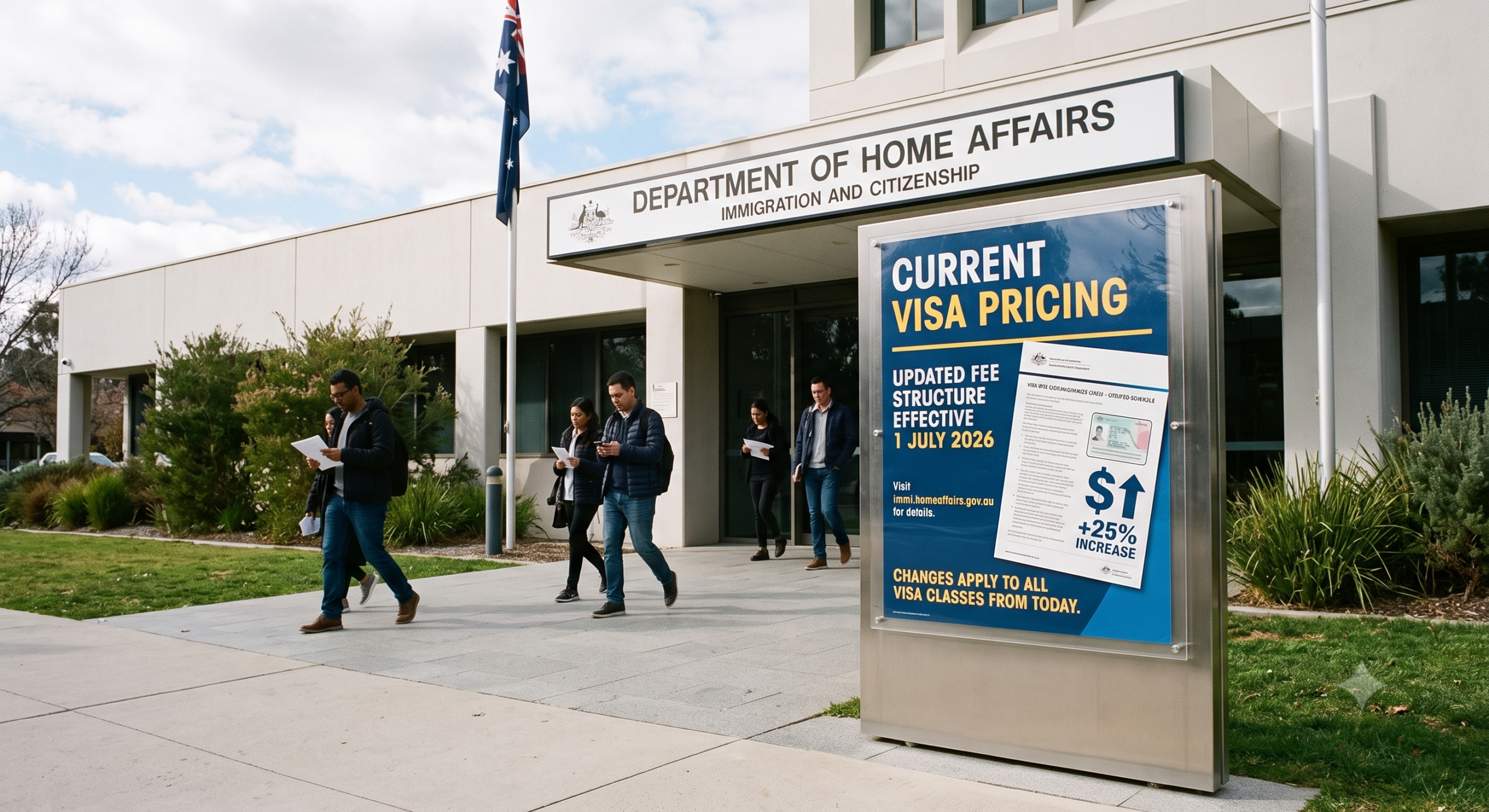
If you are planning to apply for an Australian visa, sponsor an overseas worker, or lodge an appeal, it is time to recalibrate your budget. Effective today, 1 July 2026, the Australian Department of Home Affairs has rolled out its annual indexation and structural updates, impacting Visa Application Charges (VACs) across almost all major visa subclasses.
Alongside the price hikes, skilled migration income thresholds and Administrative Review Tribunal (ART) fees have also risen. For Migration agecies like ScholarHub.com.au, staying ahead of these shifts is essential to maintaining authority and helping international students and skilled professionals seamlessly navigate their pathways.
1. Key Visa Application Charge (VAC) Increases
While some visa streams saw standard annual adjustments, others experienced significant structural jumps. Notably, the international student and graduate sectors are seeing some of the steepest increases. This directly impacts the core audience of Scholar Hub, making accurate, real-time fee breakdowns highly valuable for your visa budgeting.
Here is a breakdown of the new fees compared to their previous rates for the most popular visa types:
| Visa Subclass / Type | Old Fee (Pre-July 2026) | New Fee (From 1 July 2026) |
|---|---|---|
| Student Visa (Subclass 500) | $2,000 | $2,500 |
| ELICOS Student Visa (Subclass 500 Tier) | $2,000 | $2,050 |
| Temporary Graduate (Subclass 485) | $4,600 | $5,750 |
| Partner Visas (Subclasses 300, 820/801, 309/100) | $9,365 | $11,710 |
| General Skilled Migration (Subclasses 189, 190, 491) | $4,910 | $6,135 |
| Skills in Demand / TSS (Subclass 482) | $3,210 | $4,015 |
| Employer Nomination Scheme (Subclass 186) | $4,910 | $6,140 |
| Visitor Visa (Subclass 600) – Offshore | $200 | $250 |
Note: For the Student Visa, the government has introduced a separate, slightly lower pricing tier ($2,050) specifically targeting English Language Intensive Courses for Overseas Students (ELICOS) applicants to help cushion the impact on that sector.
2. Skilled Migration Income Thresholds Are Rising
If you are looking into employer-sponsored visas like the Skills in Demand (Subclass 482) or the Employer Nomination Scheme (Subclass 186), the costs aren't the only things changing. To ensure skilled migrant wages keep pace with local Australian workers, skilled visa income thresholds have been indexed upward by 3.8%:
- Core Skills Income Threshold (CSIT): Rises from $76,515 to $79,499 (affects Core Skills streams under Subclass 482 and 186).
- Temporary Skilled Migration Income Threshold (TSMIT): Rises from $76,515 to $79,499 (affects Subclass 494 regional sponsorship).
- Specialist Skills Income Threshold (SSIT): Rises from $141,210 to $146,717 (affects high-earner Specialist streams under Subclass 482).
Important Note for Employers: These new thresholds apply strictly to new nomination applications submitted on or after 1 July 2026. Existing visa holders and nominations lodged prior to today will not be affected.
3. Administrative Review Tribunal (ART) Fee Hikes
For applicants or sponsors undergoing a visa refusal or cancellation review, fees under the newly minted Administrative Review Tribunal (ART) have also risen in alignment with CPI adjustments:
- Review of a migration decision: Now $3,727
- Review of a protection decision: Now $2,293 (typically payable only if the appeal is unsuccessful)
- Standard tribunal application fee: Now $1,195
Crucially, the new ART fee applies to any tribunal fee paid on or after 1 July 2026, regardless of when the review application itself was initially drafted.
What Should You Do Next?
- Verify Your Specific Pricing: The Department of Home Affairs determines your fee based on the exact date and time they receive your payment—not when you started drafting the application. Check the exact pricing for your specific stream using the official Department of Home Affairs Visa Pricing Table.
- Review Card Limits: With multi-applicant family visas or permanent residency pathways climbing past the $10,000 mark, ensure your credit card or PayPal daily transaction limits are high enough to accommodate both the new fees and the mandatory credit card surcharges.
- Audit Corporate Budgets: Sponsoring businesses should review their internal salary structures immediately. If an overseas employee’s current package rests on the old $76,515 minimum, their new nomination paperwork will fail unless their base salary is adjusted to meet the new $79,499 floor.
Are you currently navigating these new immigration costs or need help managing your upcoming visa application or workplace sponsorship? Explore more updates and resources directly at ScholarHub.com.au. Email your questions on visa@scholarhub.com.au andwe will reach out to you with our registered migration professional today!